How to Improve Indoor Air Quality During Humid Florida Summers
To improve indoor air quality during humid summers in Florida, focus on controlling humidity levels below 50%, upgrading air filtration systems, ensuring proper ventilation, and maintaining your HVAC system regularly. These combined strategies effectively combat the high moisture and pollutants that plague Florida homes during the sweltering summer months.
Understanding Florida's Summer Air Quality Challenges
Florida's humid summers create unique indoor air quality challenges that homeowners must address proactively. With average July temperatures reaching 91°F and humidity levels consistently hovering between 70-80%, your home becomes a breeding ground for mold, mildew, and dust mites. The frequent afternoon thunderstorms add moisture to already saturated air, making it even more difficult to maintain comfortable and healthy indoor conditions.
Poor indoor air quality during these months can trigger allergies, asthma, and other respiratory issues. The combination of high humidity and heat forces HVAC systems to work overtime, often circulating stagnant air that traps pollutants, pet dander, and volatile organic compounds throughout your living space.
Essential Humidity Control Strategies
Controlling humidity is the cornerstone of improving indoor air quality during humid summers. Your HVAC system's dehumidification capabilities may not be sufficient during peak summer months, especially in neighborhoods like Killearn Estates or Southwood where mature tree canopies can trap moisture around homes.
Consider installing a whole-house dehumidifier that works alongside your existing HVAC system. These units can maintain humidity levels between 40-50%, the optimal range for comfort and air quality. Standalone dehumidifiers work well for specific problem areas like basements or rooms with poor ventilation.
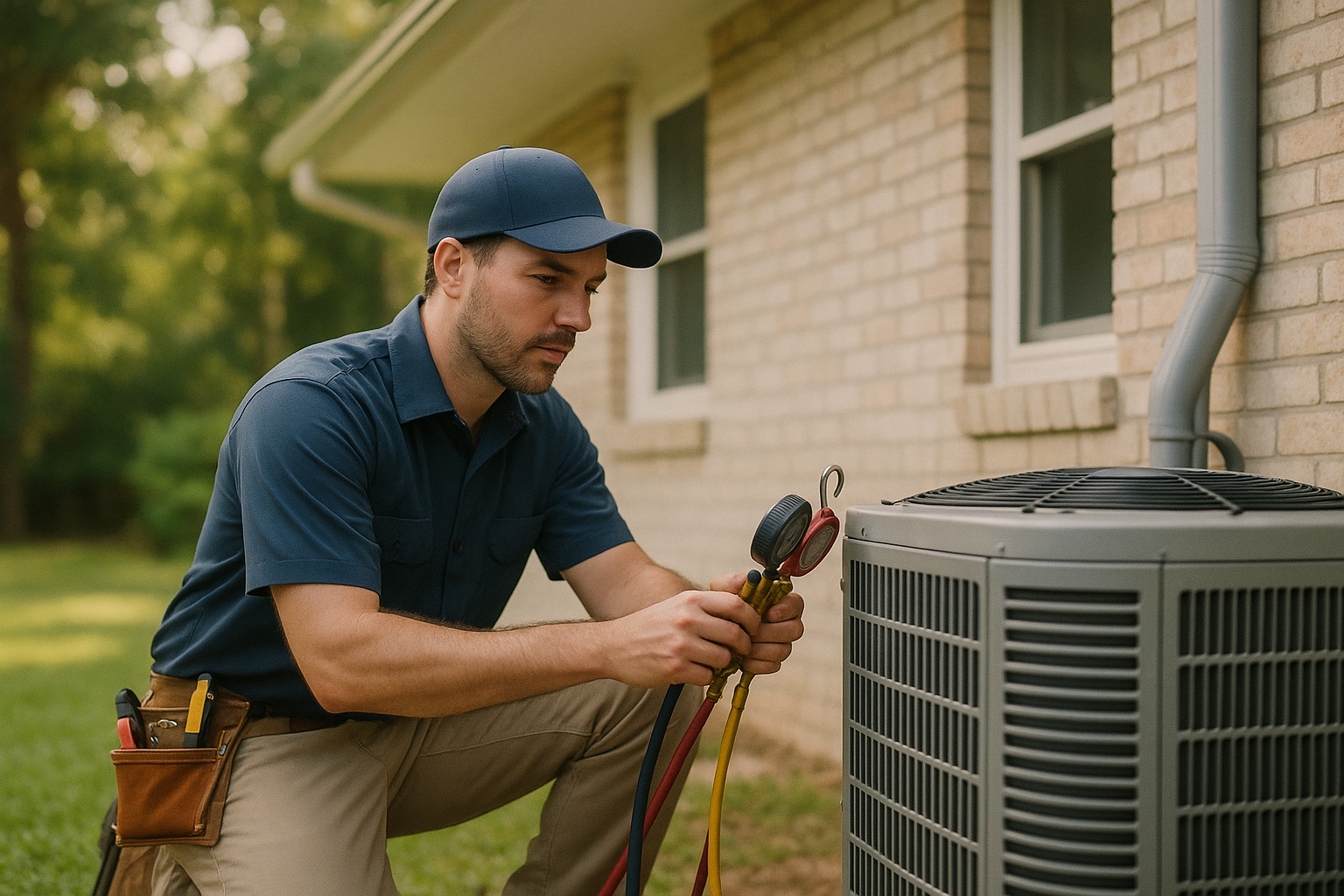
Regular maintenance of your air conditioning system also improves its dehumidification efficiency. Clean coils and proper refrigerant levels ensure your AC removes maximum moisture from the air while cooling your home.
Advanced Air Filtration Solutions
Upgrading your air filtration system significantly impacts your ability to improve indoor air quality during humid summers. Standard 1-inch filters provide minimal protection against the microscopic pollutants that thrive in Florida's climate.
High-efficiency particulate air (HEPA) filters capture 99.97% of particles 0.3 microns or larger, including mold spores, pollen, and bacteria. However, these require professional installation and may need HVAC modifications to handle the increased airflow resistance.
UV-C light systems installed in your ductwork kill bacteria, viruses, and mold spores as air circulates through your system. These are particularly effective in Florida's humid climate where biological contaminants flourish.
Electronic air cleaners and ionizers can supplement traditional filtration by charging particles and collecting them on oppositely charged plates. Regular cleaning of these systems maintains their effectiveness throughout the demanding summer season.
Ventilation and Air Circulation Improvements
Proper ventilation helps improve indoor air quality during humid summers by introducing fresh outdoor air and removing stagnant indoor air. However, Florida's climate requires a balanced approach since outdoor air is often more humid than desired indoor levels.
Energy recovery ventilators (ERVs) provide controlled ventilation while transferring heat and moisture between incoming and outgoing air streams. This technology allows fresh air introduction without overwhelming your HVAC system's dehumidification capacity.
Exhaust fans in bathrooms and kitchens should run longer during humid summers to remove moisture at its source. Consider upgrading to variable-speed fans that can run continuously at low speeds, providing constant moisture removal without excessive energy consumption.
Ceiling fans and portable air circulators help distribute conditioned air more effectively, reducing hot spots and stagnant areas where pollutants can accumulate.
Professional HVAC Maintenance and Upgrades
Regular professional maintenance becomes even more critical during Florida's humid summers when HVAC systems face maximum stress. Dirty coils, clogged drains, and worn components reduce both cooling efficiency and air quality performance.
Professional technicians can assess your system's capacity to handle humidity loads and recommend upgrades if necessary. Variable-speed air handlers provide better humidity control by running longer at lower speeds, allowing more time for moisture removal.
Duct cleaning and sealing prevent contaminated air from entering your living space and ensure conditioned air reaches all areas effectively. Leaky ducts in humid climates can introduce moisture and pollutants from crawl spaces and attics.
Consider upgrading to a smart thermostat with humidity control features that can optimize your system's operation for both temperature and moisture management throughout the challenging summer months.
Frequently Asked Questions
- What humidity level should I maintain indoors during Florida summers?
- Maintain indoor humidity between 40-50% during humid summers. This range prevents mold growth while keeping air comfortable and reducing strain on your HVAC system.
- How often should I change air filters during humid summer months?
- Change standard filters every 30-45 days during humid summers, or monthly if you have pets or allergies. High-efficiency filters may last 60-90 days depending on usage.
- Can opening windows improve indoor air quality in humid Florida weather?
- Avoid opening windows during humid Florida summers as outdoor air typically contains more moisture and pollutants than filtered indoor air from your HVAC system.
- Do air purifiers help with humidity-related air quality issues?
- Air purifiers remove particles and some odors but don't control humidity. Combine air purifiers with dehumidifiers and proper HVAC maintenance for comprehensive air quality improvement.
- What are signs that my indoor air quality needs improvement?
- Watch for musty odors, visible mold, excessive dust, condensation on windows, increased allergy symptoms, or stuffy air that doesn't improve with AC operation.
About the author: Marcus Chen, Editor, Hvac Pros of Tallahassee. Marcus has spent over a decade researching home comfort systems and energy efficiency solutions for Florida homeowners. He's dedicated years to understanding the unique HVAC challenges in Tallahassee's humid climate and helping residents make informed decisions about their heating and cooling needs. His work focuses on translating complex technical information into practical guidance for homeowners.
More hvac guides for Tallahassee
Need hvac help in Tallahassee?
Get matched with a vetted local pro — free, no obligation.